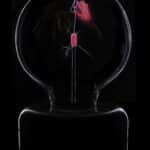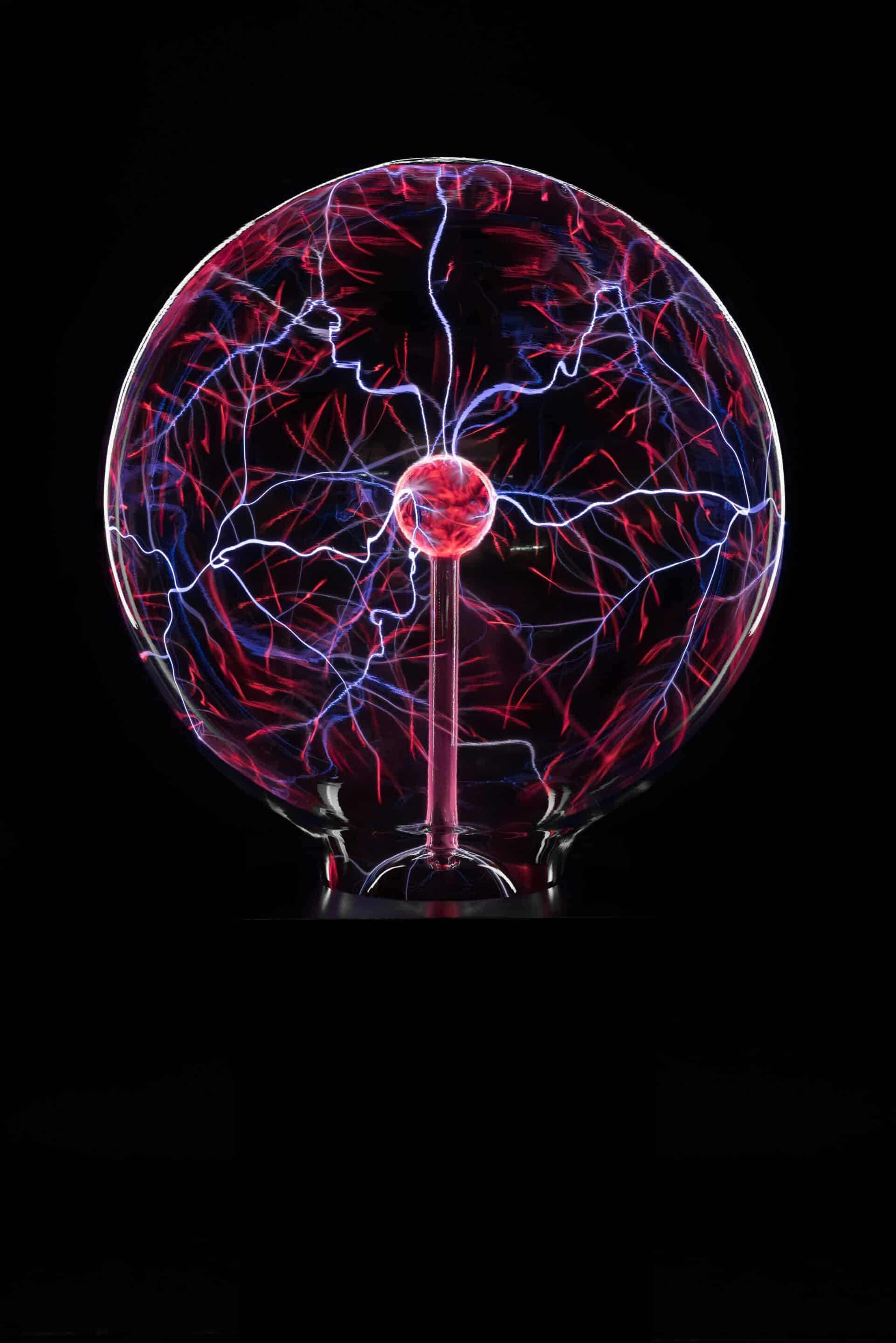
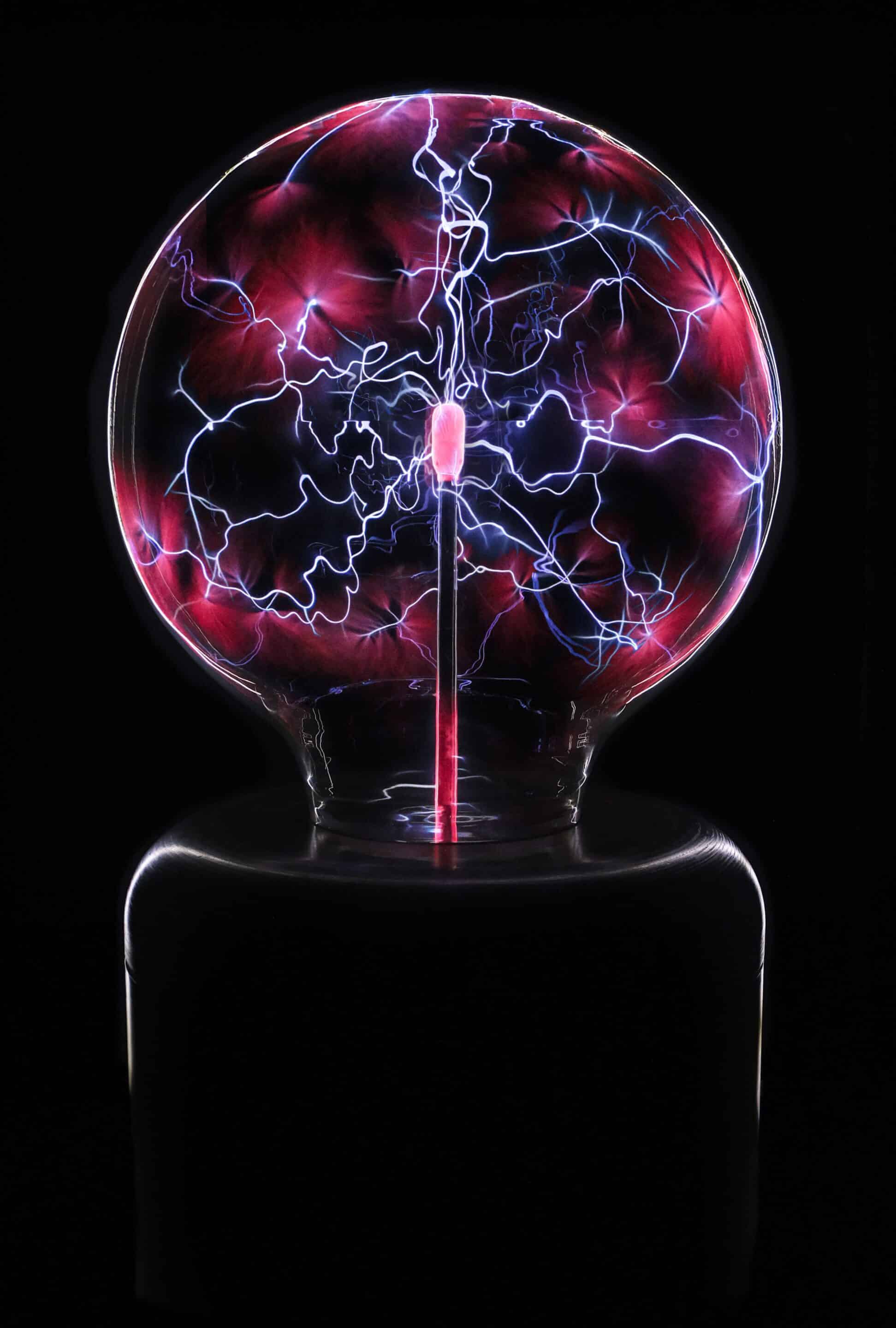
object name: plasma globe 100 liters
production date: 2023
Dimensions: d: 61 cm
photo: christoph ascher



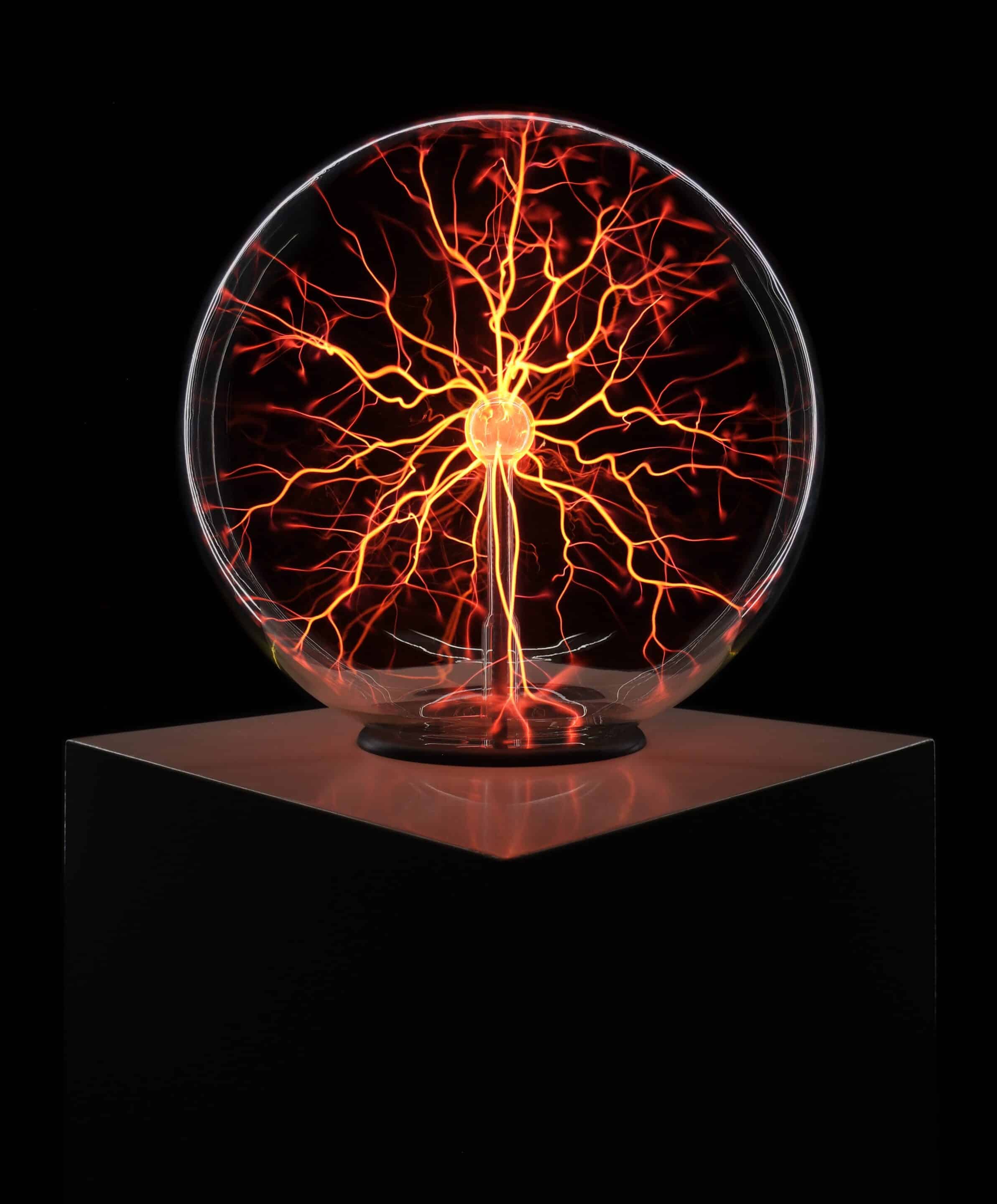
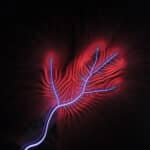
Object name: firestorm 100 liters
production time: 2025
Dimensions: d: 61 cm




Plasma globe
The plasma sphere is the classic plasma light object. It was invented by Nikola Tesla in 1892 and patented in 1894 – at that time under the name “inert gas discharge tube”. The first illustrations of the classic plasma sphere design were published on the cover of a US magazine for electrical experiments in 1910.
At the beginning of the 1970s, it was Californian Larry Albright who used Tesla’s plasma bases for “special light effects” for the film industry (Walt Disney, Steven Spielberg, George Lucas). Larry Albright’s customers also included Michael Jackson, who was, among other things, the proud owner of the largest plasma sphere at the time (200 liter sphere – 75 cm diameter).
In the 1980s, there was a veritable competition for the largest, most bizarre and most colorful plasma objects. James Falk, Bill Parker, Ray Jardine and Wayne Strattman are regarded as the plasma pioneers who first brought Nikola Tesla’s knowledge to the market as an exclusive series product. The plasma flash ball became a cult object that no nightclub could do without
Thanks to Bill Parker in particular, almost everyone has come into contact with a plasma globe at some point. Parker was a scientist, lighting artist and designer all rolled into one. Parker achieved his international breakthrough in 1984 with his 12-inch plasma balls, which he had produced under the company name “Light Sculpture” in 10 different color effect editions in limited quantities of between 175 and 375 pieces.
(The Rites of Dawn – 375 pieces, The Elegence of Truth – 375 pieces, Sleepless Nights – 275 pieces, October Sunrise – 175 pieces, Ice Trees – 275 pieces, Modern Frequencies – 375 pieces, The Meaning of Radiance – 325 pieces, Fireflower – 375 pieces, Elegance of Becoming – 375 pieces, Fireworks – 250 pieces)
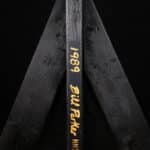
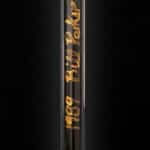
At the same time, an almost identical edition of 2,988 pieces was produced. This was marketed under the company name “Starsculpture.” While Bill Parker had numbered and signed his “Light Sculpture” series in gold on the inside of the stem, this second series was numbered in white on the outside of the base corner.
There were also two other 12″ Bill Parker series, each with a print run of 375 copies. They were marked with the abbreviations GN I and GN II on the inside of the stem. This series was produced exclusively for the Golden Nugget Casino in Las Vegas.
In the 1980s, a total of approximately 6,000 Bill Parker plasma spheres with a diameter of 30 cm were sold in the world’s most famous art galleries at a unit price of between USD 3,000 and USD 15,000. The plasma ball was considered the toy for high society. She was the symbol of new, modern pop culture and the endless expanses of the universe—captured in a small glass ball. Used original Bill Parker plasma globes keep popping up on the art market and are still traded today as a stable and, above all, attractive investment.
Bill Parker also produced a few individual objects that tested the limits of what was possible with this plasma technique and were made exclusively for selected museums or occasions. Particularly noteworthy is the Bill Parker “Hashi no Tama” plasma ball, which is still considered the largest plasma ball in the world with a volume of 500 liters and a diameter of over one meter. It was produced in 1989 for the ARTEC World Exhibition in Nagoya/Japan and then sold to the Swiss Science Center TECHNORAMA in Winterthur/Switzerland. It was the daily eye-catcher in the plasma department for 30 years until it was replaced in 2019 by two other newly manufactured Weinmayer 500-liter plasma globes. The “Hashi no Tama” (translated “Jewel of Enlightenment”) has been part of the private Weinmayer Plasma Collection since 2025.
From the 1990s to the present day, the plasma ball market has been literally flooded with small, cheap products from the Far East. But the fascination for the “magic lightning ball” remained.
objectname: Hashi-No-Tama
artist: Bill Parker
production date: 1989
dimensions: d: 100cm, h: 190cm